As unmanned aerial systems (UAS) redefine modern battlefields, one question increasingly dominates defense planning and military economics: what is the true cost of a military drone? From low-cost tactical quadcopters to high-end strategic platforms, pricing disparities are reshaping procurement strategies, operational doctrine, and even the balance of power between nations.
Defense analysts say drones have fundamentally altered the relationship between cost and combat effectiveness, introducing both unprecedented affordability and complex financial trade-offs.

Wide Range of Prices Across Drone Categories
The cost of a military drone varies dramatically depending on its size, endurance, payload, and mission role:
- Small tactical drones: Often priced from a few thousand to tens of thousands of dollars, used for short-range reconnaissance and surveillance
- Loitering munitions (“kamikaze drones”): Typically range from tens of thousands to low hundreds of thousands per unit
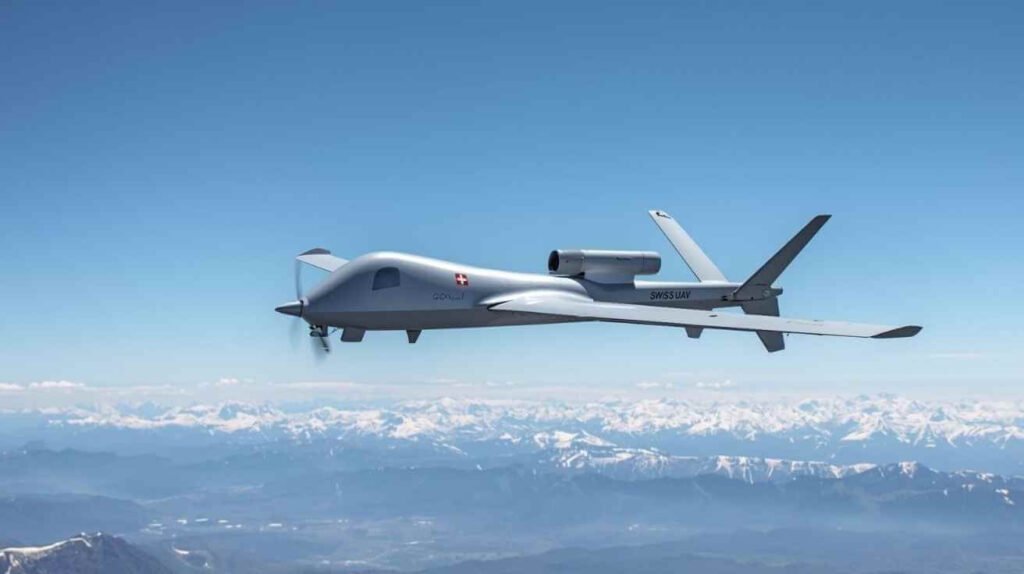
- Medium-altitude long-endurance (MALE) drones: Can cost several million dollars
- High-end strategic drones: Advanced systems may exceed $100 million including sensors, communications, and ground infrastructure
Experts emphasize that acquisition price is only one component of total lifecycle cost.

Beyond Purchase Price: The Hidden Expenses
Military economists note that the full cost of drone deployment includes:
- Training and operator support
- Maintenance and spare parts
- Satellite communications and data links
- Software updates and cybersecurity
- Ground control stations and logistics
In many cases, lifecycle expenses rival or exceed the initial purchase cost.

Why Cost Efficiency Matters More Than Ever
Modern conflicts increasingly highlight the cost asymmetry between drones and traditional weapons. Relatively inexpensive drones can neutralize or damage systems worth millions of dollars, including armored vehicles, air defense platforms, and naval assets.
This imbalance is forcing militaries to rethink spending priorities, emphasizing scalable, attritable systems over limited numbers of ultra-expensive hardware.

Strategic Impact on Global Defense Budgets
Defense planners worldwide are reallocating budgets toward unmanned systems, AI integration, and electronic warfare capabilities. Countries with smaller defense budgets are leveraging affordable drones to expand surveillance and strike capacity without investing in full-scale air forces.
Analysts say cost-effective drones are lowering barriers to entry in advanced warfare technologies.

Risks of Over-Reliance on Low-Cost Systems
While affordability is attractive, experts warn against assuming that cheaper always means better. Low-cost drones may face limitations in survivability, electronic resistance, and payload capability, particularly in contested airspace.
Advanced adversaries equipped with jamming systems and layered defenses can significantly reduce drone effectiveness.

Outlook
The cost question is becoming central to future military doctrine. Balancing affordability, capability, and survivability will define procurement decisions and battlefield strategies in coming decades.
As warfare evolves toward greater automation and unmanned operations, the economics of military drones may prove just as decisive as their technology — influencing not only how wars are fought, but who can afford to fight them.