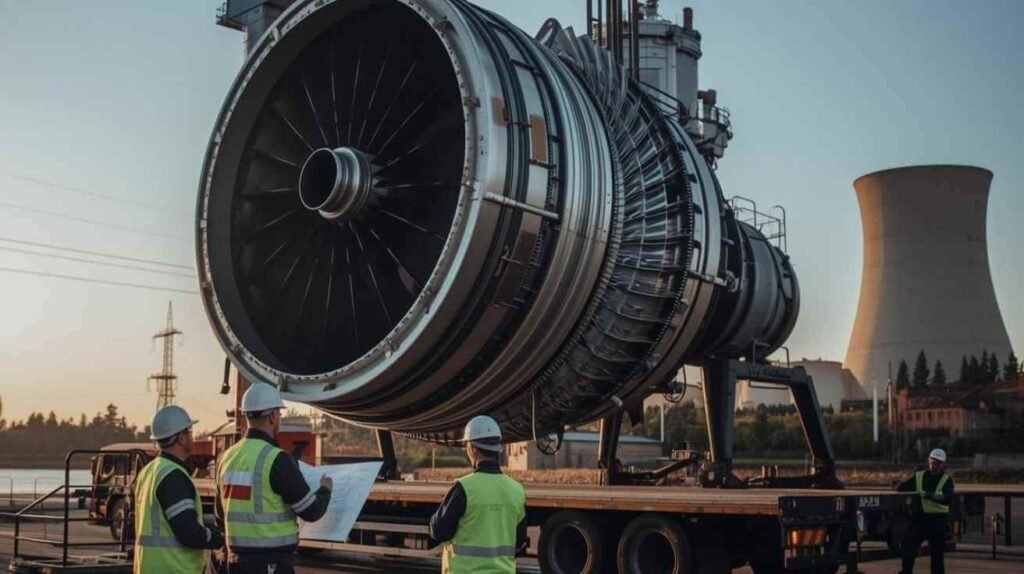
France has marked what industry officials describe as a major return to prominence in the European nuclear supply chain after securing a contract valued at over one billion euros to deliver three nuclear turbines for new energy infrastructure in Poland. The agreement is being viewed as a strategic milestone for France’s nuclear engineering sector and a significant development for Poland’s long-term power generation plans.
The deal highlights renewed momentum in Europe’s nuclear investment landscape as countries seek low-carbon, high-reliability electricity sources amid energy security concerns.

Landmark Contract Strengthens France’s Nuclear Industry
The turbines will be supplied by EDF and leading French industrial partners, reinforcing France’s role as a key exporter of nuclear technology. Industry analysts say the contract reflects growing confidence in French nuclear expertise following years of domestic restructuring and international competition.
Executives involved in the project described the agreement as a “turning point” that signals stronger cross-border cooperation within Europe’s energy sector.

Poland Accelerates Nuclear Energy Strategy
For Poland, the contract supports its broader strategy to diversify away from coal and strengthen energy independence. Polish authorities have committed to expanding nuclear capacity as part of national decarbonization targets and grid modernization efforts.
Energy policymakers say advanced turbine systems are central to achieving high efficiency, operational reliability, and long-term stability for upcoming reactors.

Economic and Technological Implications
The agreement is expected to generate substantial economic benefits across both countries. French manufacturers anticipate increased production activity and job creation, while Poland expects technology transfer, infrastructure investment, and enhanced energy resilience.
Experts note that turbine contracts of this scale typically involve long development timelines, complex engineering integration, and multi-year collaboration between utilities, suppliers, and regulators.
Europe’s Renewed Focus on Nuclear Power
The contract arrives amid a broader European reassessment of nuclear energy’s role in climate and energy security policy. Several countries have extended reactor lifespans, approved new builds, or reopened debates on nuclear expansion.
Analysts say France’s success in securing major international agreements may strengthen its competitive standing as global demand for nuclear technology rises.

Outlook
With construction timelines stretching into the coming decade, the project represents a long-term commitment rather than an immediate energy shift. However, the scale of the investment underscores the growing importance of nuclear partnerships in Europe’s evolving power landscape.
For France, the turbine deal is being framed as evidence of industrial revival. For Poland, it marks another step toward a diversified, lower-carbon electricity mix designed to support economic growth and energy security in the years ahead.