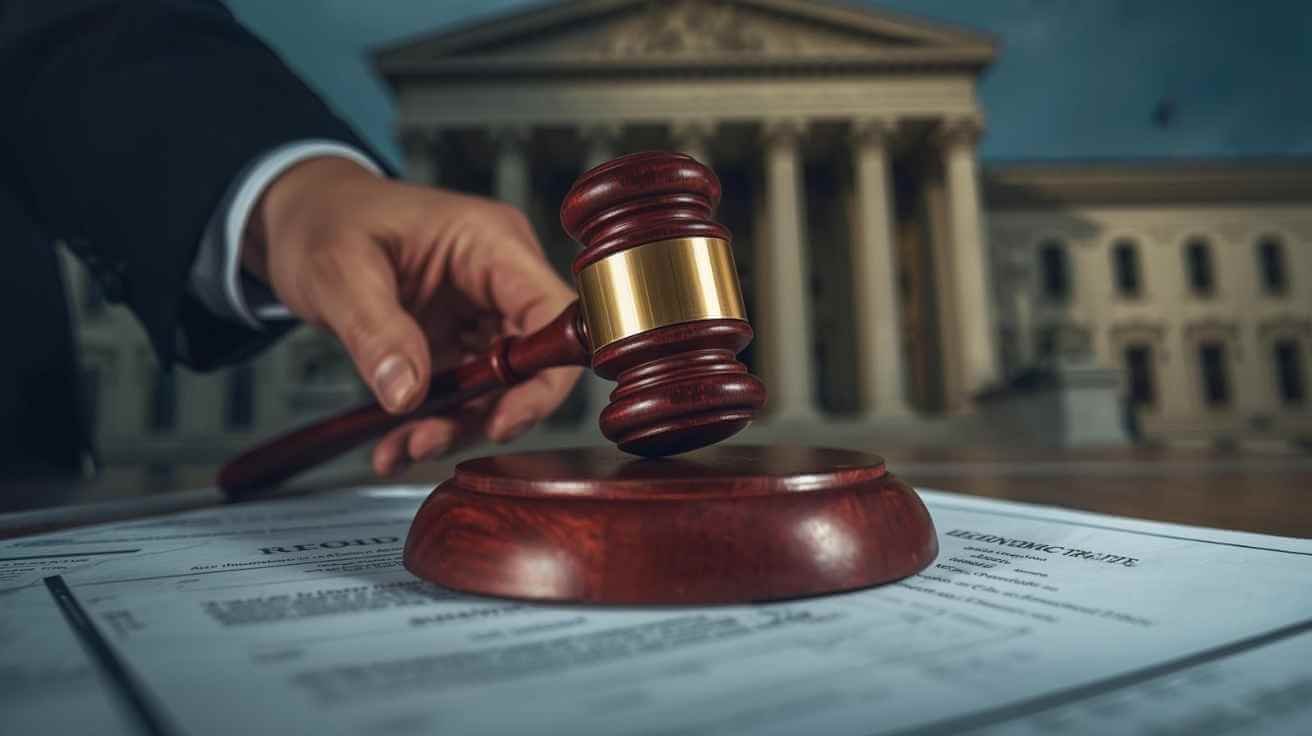
Rescuing the Referee of Global Trade: Why the WTO Is Returning to Center Stage
About this app
After years of institutional paralysis and rising protectionism, the World Trade Organization is once again drawing attention from policymakers, economists, and multinational businesses. Mounting trade tensions, supply-chain realignments, and legal disputes are pushing the WTO back into the spotlight as governments reassess the need for a functioning global trade referee.
From Cornerstone Institution to Gridlock
Founded in 1995, the World Trade Organization (WTO) was designed to regulate international commerce, resolve disputes, and enforce trade rules. However, over the past decade, the organization has struggled with:
- Appellate Body paralysis
- Stalled multilateral negotiations
- Growing unilateral tariffs
- Fragmentation of trade blocs
Analysts argue that weakened enforcement mechanisms reduced the WTO’s ability to arbitrate conflicts effectively.
Why the WTO Matters Again
Recent geopolitical shifts are reviving interest in global trade governance. Governments facing escalating disputes and complex supply-chain disruptions are recognizing the costs of rule uncertainty.
Key factors behind renewed focus:
- Increase in trade disputes among major economies
- Expansion of industrial policy and subsidies
- Strategic decoupling and “friend-shoring”
- Need for predictable dispute resolution
Economists warn that without credible arbitration, trade conflicts risk becoming politically driven rather than legally managed.
Dispute Resolution at the Heart of Reform
The breakdown of the WTO’s Appellate Body remains central to current reform debates. Several member states are advocating solutions to restore binding legal review.
Proposed priorities include:
- Reinstating a fully functional appeals mechanism
- Clarifying subsidy and state-aid rules
- Modernizing digital trade frameworks
- Improving negotiation efficiency
Trade experts emphasize that enforcement credibility is essential for institutional relevance.
Business Community Pushes for Stability
Multinational corporations and exporters increasingly support WTO revitalization, citing the need for regulatory predictability and conflict mitigation.
Business concerns include:
- Tariff unpredictability
- Divergent national trade restrictions
- Supply-chain fragmentation
- Investment risk linked to policy volatility
Stable dispute settlement mechanisms reduce uncertainty for long-term planning.
A Fragmented Trade Landscape
The rise of regional agreements and bilateral deals has partially filled governance gaps, but analysts caution that fragmented rules create complexity and inconsistency.
Challenges emerging:
- Overlapping regulatory regimes
- Divergent standards and compliance costs
- Uneven dispute resolution processes
The WTO remains the only universal framework covering nearly all global trade flows.
Outlook
The WTO’s return to center stage reflects necessity rather than nostalgia. As economic competition intensifies, the demand for a credible global trade referee is re-emerging.
Whether reforms succeed will depend on political compromise among major powers, modernization of trade rules, and restoration of dispute settlement authority. Without those steps, institutional revival risks remaining rhetorical rather than operational.
App Info
| App Name | Rescuing the Referee of Global Trade: Why the WTO Is Returning to Center Stage |
| Package Name | N/A |
| Category | Live |
| Version | |
| Minimum OS | Android 5.0+ |
| Size | |
| Downloads | |
| Updated on | June 23, 2026 |
| Views | 0 views |
| Ratings |
4.5 ★ / 5
(100 reviews)
|
Legal Copyright Disclaimer: As has been noted, streaming copyrighted content is unlawful and could get you into legal trouble. On account of this, we do not condone the streaming of copyrighted content. Therefore, check your local laws for streaming content online before doing so. Consequently, the information on this website is for general information and educational purposes only.